
Things to consider when buying a smartphone

Article Index
 Phones are pretty confusing. And they're VERY expensive too, so you definitely want to feel confident when you make your purchase.
All the makes, the different models, and the pricing tiers, as well as ALL the contracts and CONSTANT marketing, makes the act of choosing a new blower both confusing and daunting in equal parts.
This is basically why I decided to write this guide; it is designed to cut through the crap and help you distill what you want, precisely, from your next phone and, in the spirit of e-commerce, point you in the direction of some of the best potential offers and/or options around.
By the end, you will hopefully have a clearer view of what phone you want and why.
 1.Are You Already Locked Into Android or iOS?
If you use a smartphone, chances are it is either an iPhone of some sort or an Android phone.
Google and Apple’s respective operating systems (the software on your phone) account for 90%+ of all phones used in the smartphone space – and these guys like to keep you in their ecosystem.
If you’ve been using either platform for X amount of years, you may have purchased music, films and TV shows and, in most cases, these cannot be accessed if you move platforms.
Therefore, if you’ve been a die-hard Apple user for five years and have teraflops of music in Apple Music and hundreds of movies in iTunes, you’re probably better off staying put, as you simply won't be able to get all of your content on anything other than an iPhone.
If you’re a floating voter – i.e. someone who uses both platforms, as I do, and aren't tied down to one way of doing things – then you’re able to flipflop between iOS and Android and go where the innovation or value is.
Arguably, this is the best way to be as sometimes Apple has the best phone (iPhone 6 era) and sometimes it doesn’t (iPhone 7 era).
2. Price – Do You NEED A Flagship?
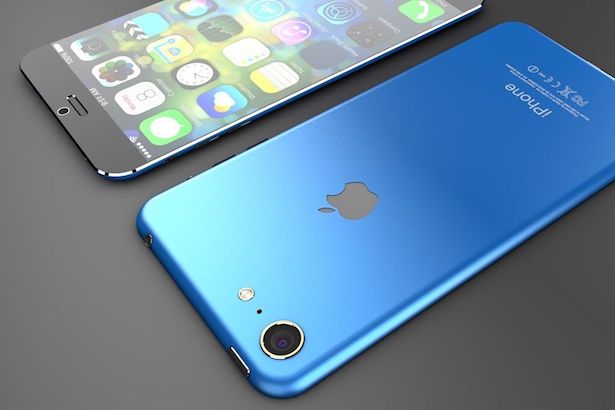
This is a big one. Do you really need to spend $1000 on a new phone (or lease one on contract from a network/carrier for around double that over 24 months)?
You have to ask yourself what you’re ACTUALLY doing with the phone, as most modern flagships are built with INSANE specs that most people seldom take advantage of.
You could save hundreds by opting for a cheaper model, or an older model, for instance, and still get everything done that you need to.
If you’re literally just using it for calls, texts, email and some web browsing, do yourself a favour and get an older model – the Galaxy S7 rather than the Galaxy S8, for instance, or the iPhone 6s Plus over the iPhone 7 Plus.
I guarantee most will never notice the difference. It is a con that you need to update your phone every year – even more so if you know how to jailbreak/root the device. 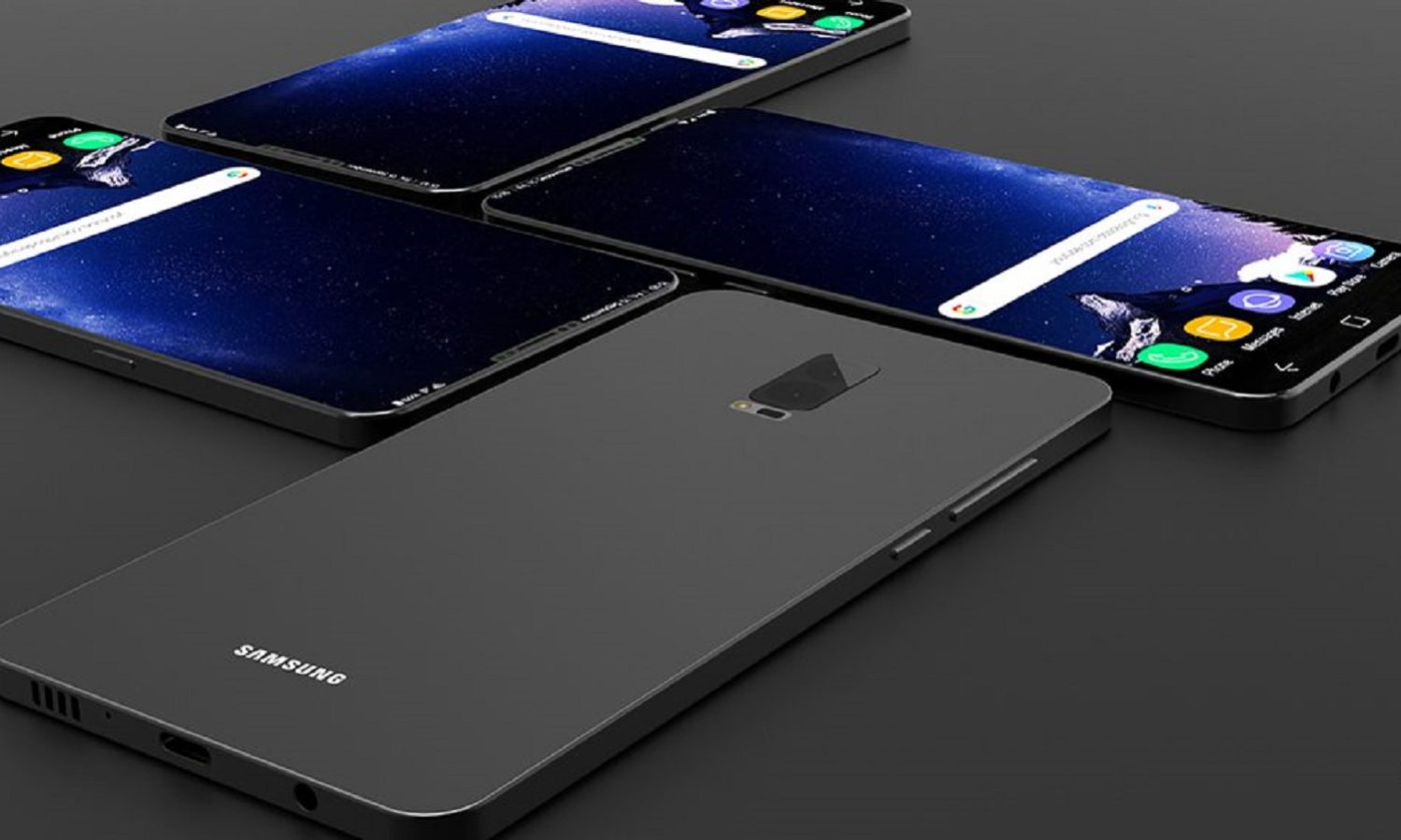 Another option right now is the OnePlus 6, which retails from £479 brand new.
This phone is exceptional too; it looks brilliant, has bleeding-edge specs and a heavily updated camera. The net result of this is that OnePlus is now on a par with Apple and Samsung.
I personally use the OnePlus 6 as my daily driver, and I think it is the best phone you can buy right now – bar none. Which brings me to my next point…
 3. What’s Most Important To You?
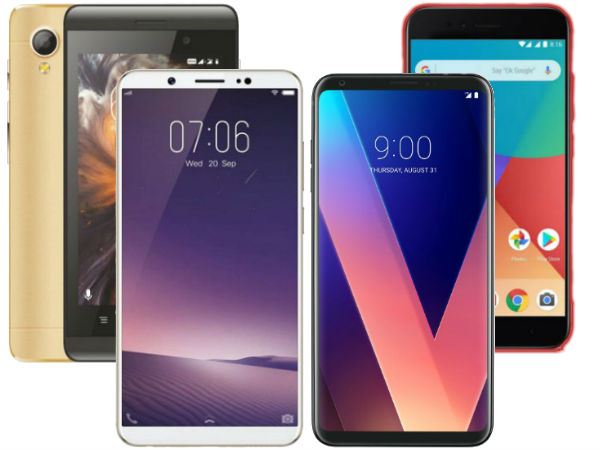
Battery? The camera? Overall cost? You need to decide what you want from a phone and have clear objectives and ideas about how you’re going to be using it.
Think about what you use most in your every day-to-day life already.
Most people don’t NEED a flagship, really, they just like having them for the prestige. This is why phones are marketed so heavily, they want you to think you need them and cannot live without all that new stuff.
Do you want it to have it all? If so, look at the flagships – these are always the best performers in all respects.
4. Display
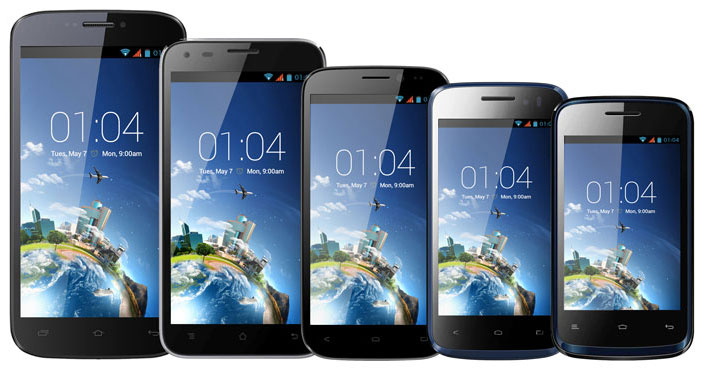
If you're like most of us, you're going to spend hours each day staring at your smartphone screen. Make sure you're buying one that's bright enough to see outdoors, and sharp enough where text doesn't look blurry while you're surfing the web.
If you're buying a phone with a large screen, don't go under a resolution of 1920 x 1080p and, if you can splurge, look for the sharper 2560 x 1440 Quad HD resolutions. Consider the screen size, too. Can you easily reach across it? Do you want a larger screen for movies or a smaller one that's easier to hold and less likely to drop out of your hands?
 5. Storage
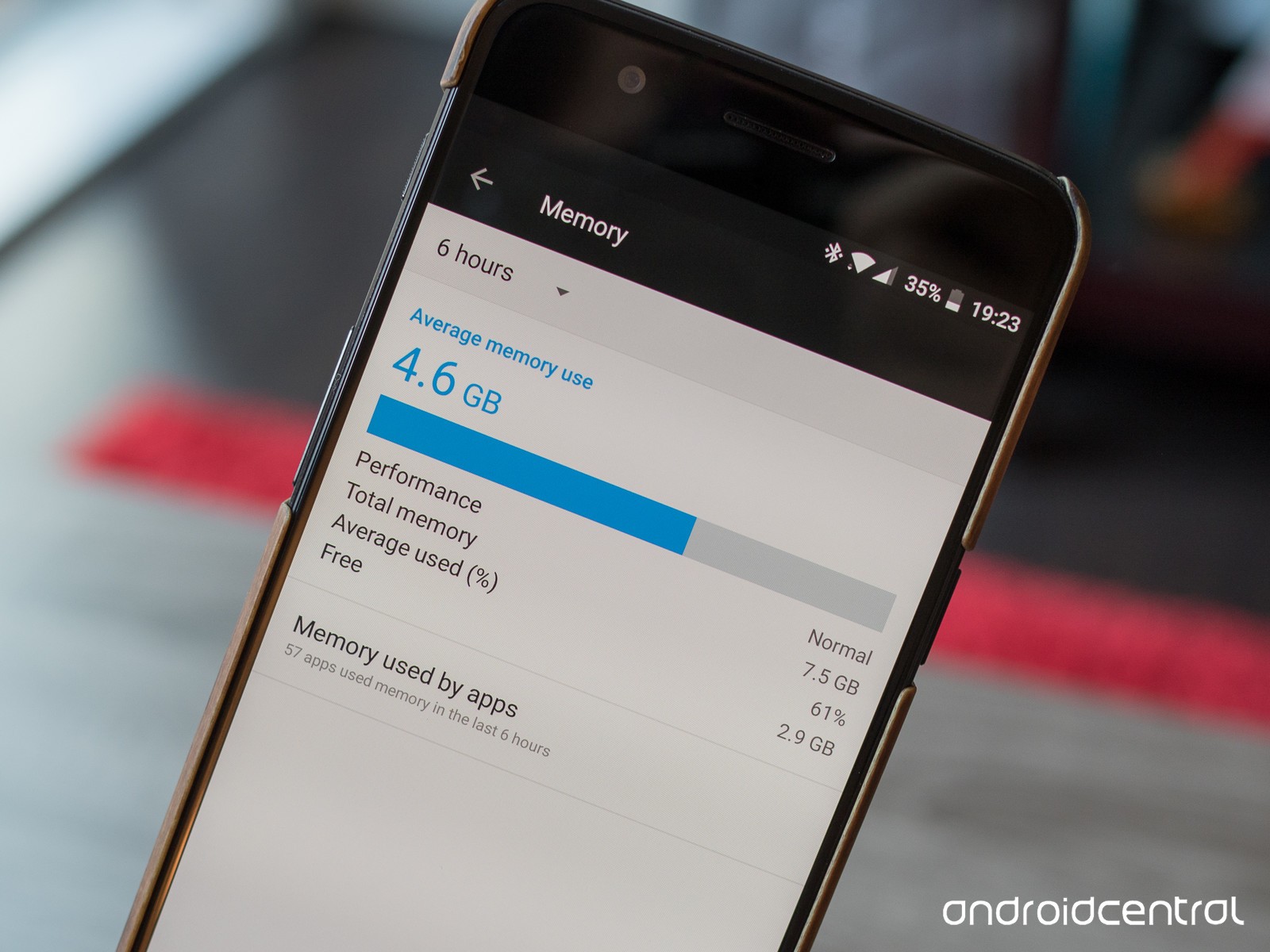
I know plenty of folks try to save money by buying cheaper phones, but often they ship without much storage on board. I recommend buying a smartphone with at least 64GB of storage, or more if you plan to download music and movies.
Apps are much bigger these days, and pictures can take a lot of space if you're not storing them in the cloud (Apple Photos, Google Photos, or other services offer these options. Some Android smartphones also offer "microSD" card slots that allow you to boost the storage space.
 6. Battery
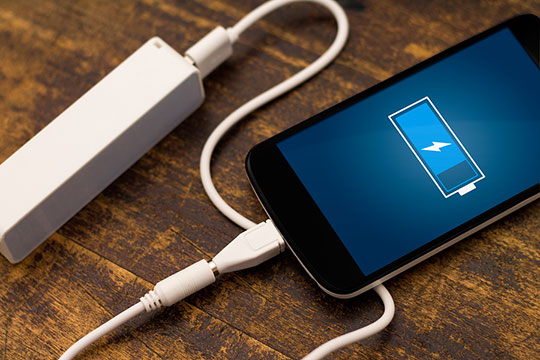
Read reviews or talk to people who already own the phone you're interested in buying. You want one that's going to last all day, if possible. The biggest complaint I get from friends and family is that their smartphones are "always dead." If you're in this bunch, consider a smartphone with a fast charging battery.
Most Android smartphone makers include the special chargers that can juice up a battery to at least a half charge in just minutes. Or, if you own an iPhone, consider buying an iPad charger to get more juice.
 7. Camera
If you like sharing pictures with friends and family, make sure you're buying a phone with a good camera.
Most of the more expensive phones (the Galaxy S9 and the iPhone X) are particularly adept at taking pictures in low light, too, which means you'll still get good pictures in a dim restaurant without the flash.
Budget phones don't usually have great cameras, so consider spending a bit more if this is important to you.


